
The Ultimate Pool Maintenance Guide for Fiberglass Pools
Fiberglass pools are known for their low-maintenance appeal, but like any pool, they still require regular care to ensure they stay clean, safe, and ready for swimming. Whether you’re a first-time pool owner or simply looking for ways to make your pool maintenance routine more efficient, this ultimate guide will walk you through everything you need to know about maintaining a fiberglass pool.
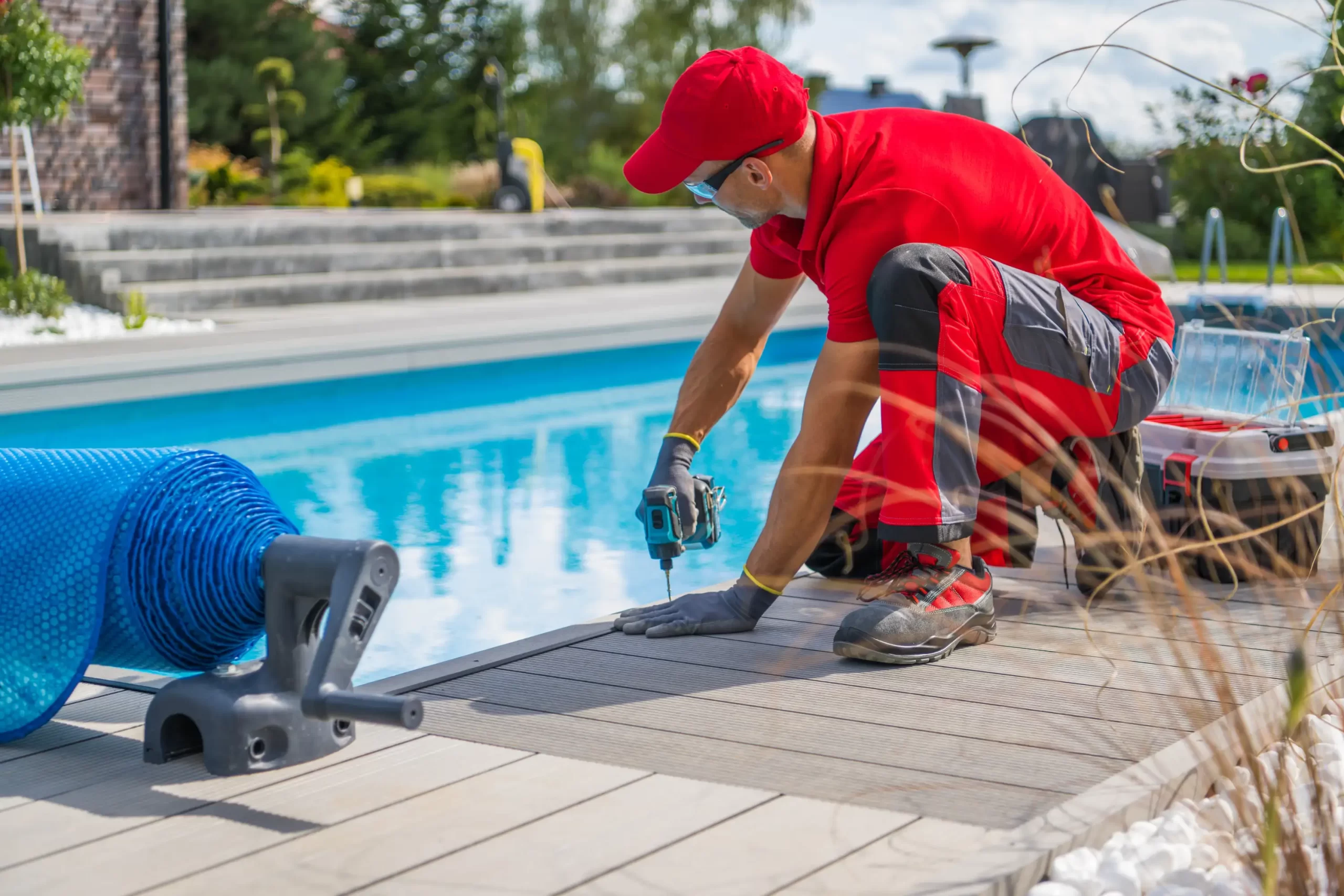
- Cleaning Your Fiberglass Pool: Easy and Stress-Free
One of the greatest advantages of fiberglass pools is their smooth, non-porous surface, which naturally resists algae buildup. This means you won’t have to scrub as often or deal with stubborn stains that can plague concrete pools. However, routine cleaning is still necessary to keep your pool looking its best.
- Skimming the Surface: Use a pool skimmer/net to remove leaves, bugs, and other debris from the surface of the pool. Doing this regularly helps keep the water clean and reduces strain on your filtration system.
- Brushing the Walls: Even though fiberglass pools are algae-resistant, brushing the pool walls occasionally prevents any buildup. A soft brush is ideal for keeping the walls clean without damaging the surface.
- Vacuuming the Pool Floor: While fiberglass pools are less likely to accumulate dirt, it’s a good idea to vacuum the pool floor each week. You can use a manual vacuum or invest in an robotic pool cleaner to make this task easier.
- Balancing Pool Water Chemistry
Maintaining balanced pool water is crucial for the health of swimmers and the longevity of your pool. Fiberglass pools, thanks to their non-porous surface, are less susceptible to chemical imbalances, but regular testing is still important.
- pH Levels: Aim to keep the pH between 7.2 and 7.6. If the pH is too high or too low, it can cause eye irritation and damage to the pool’s surface.
- Alkalinity: Keeping alkalinity levels between 80 and 120 ppm helps stabilise your pool’s pH, making it easier to maintain balanced water chemistry.
- Chlorine: Whether you have a traditional chlorine pool or a saltwater system, maintaining the right chlorine levels (1-3 ppm) is essential for keeping the water clean and free from bacteria.
- Calcium Hardness: Although not as critical for fiberglass pools as it is for concrete, maintaining the right calcium levels (200-400 ppm) prevents corrosion of pool equipment.
It’s a good idea to test your pool water at least once a month, or more regularly during summer months, at your local pool shop. Regular testing ensures that your pool’s water chemistry stays balanced and safe for swimming.
- Seasonal Maintenance for Fiberglass Pools
Just as your pool requires regular care during the swimming season, it also needs seasonal maintenance to ensure it stays in top condition year-round.
- Spring Opening: As the weather warms up, it’s time to open your pool for the season. Start by removing any winter covers, cleaning the pool, and testing the water chemistry.
- Summer Care: During the hot months, you’ll want to test your water chemistry more frequently and keep up with regular cleaning. High temperatures can cause chemical imbalances, so stay on top of testing pH and chlorine levels.
- Fall Closing: As swimming season comes to an end, close your pool by cleaning it thoroughly, balancing the water chemistry, and covering it to protect against debris and colder weather. Don’t forget to test the water chemistry each month over winter to maintain a healthy pool.
- Pool Equipment Maintenance
Fiberglass pools require less maintenance overall, but keeping your equipment in good working condition is key to ensuring your pool runs efficiently.
- Pool Pump: Once a month, clean out the filter basket to remove debris that could clog the system.
- Pool Filter: Once a month, rinse off the cartridge filter with a hose (don’t use a high-pressure cleaner) or, if you have a media (sand or glass) filter, complete a backwash.
- Heater: If your pool has a heater, inspect it regularly to ensure it’s working properly. Keeping the heater free from obstructions (like leaves or debris) helps it run efficiently and last longer.
- Sanitiser: For saltwater and mineral pools, inspect the cell and, if required, clean it periodically to remove any calcium buildup. This ensures the chlorinator functions effectively and keeps your pool’s water clean. For a freshwater system, inspecting the copper and or silver elements for calcium buildup and always follow the manufacturers guidelines.
- Preventative Measures: Keeping Your Pool in Great Shape
Beyond regular maintenance tasks, there are a few simple preventative measures you can take to ensure your fiberglass pool stays in excellent condition for years to come:
- Use a Pool Cover: Covering your pool when it’s not in use helps keep debris out, reduces evaporation, and prevents chemical imbalances. A cover also protects your pool from harsh weather and reduces heating costs if you use a solar cover.
- Maintain Proper Water Levels: Keep your pool’s water level about halfway up the skimmer or higher to ensure proper filtration and circulation.
- Monitor for Cracks: While fiberglass pools are incredibly durable, occasionally inspect the surface for any cracks or damage. If you spot any small issues, address them quickly to prevent larger problems down the line.
- Gel Coat Care: The gel coat above the water line can get a cloudy over time. Just like your car or boat the gel coat could do with a quick polish. It may be worth lowering the water level to the bottom of the skimmer box opening and giving the gel coat a little marine grade cut and polish to keep your pool looking fantastic.
- Chlorine, Saltwater, Mineral and Freshwater Pools: Maintenance Differences
Whether you have a saltwater or chlorine system, both types of pools require regular maintenance, but there are a few key differences.
- Chlorine Pools: For traditional chlorine pools, you’ll need to manually add chlorine or use a chlorine dispenser. Test your water regularly to ensure proper chlorine levels, and adjust chemical levels as needed.
- Saltwater Pools: These pools require less maintenance overall because the salt chlorinator produces chlorine automatically. However, you’ll still need to clean the salt cell regularly and monitor salt levels (typically 3,500-5,500 ppm).
- Mineral Pools: Like a saltwater pool these pools require less maintenance overall because the salt chlorinator produces chlorine automatically. However, you’ll still need to clean the salt cell regularly and monitor salt levels (typically 2,500-3,500 ppm). You’ll also need to ensure you maintain the mineral levels. This should be tested at your local pool shop.
- Freshwater Pools: This can vary from system to system, and you are recommended to stick to your manufacturers guidelines.
Conclusion: Simple Maintenance for Long-Lasting Fun
Fiberglass pools are one of the easiest types of pools to maintain, making them a favourite choice for busy families. With a simple cleaning routine, regular water testing, and occasional equipment checks, you can keep your pool in perfect condition year-round. By following these maintenance tips, you’ll spend less time worrying about upkeep and more time enjoying your backyard oasis.

