
Understanding the Differences Between Single-Speed, Variable-Speed, and Inverter Pool Pumps
When it comes to keeping your pool water circulating and clean, choosing the right pump is just as important as selecting the right filter. Pool pumps are the heart of your pool’s circulation system, helping to move water through the filtration and heating systems to maintain clean and comfortable water. There are three main types of pool pumps: single-speed, variable-speed, and inverter pumps. Here’s a simple explanation of how they differ and which one might be right for your pool.
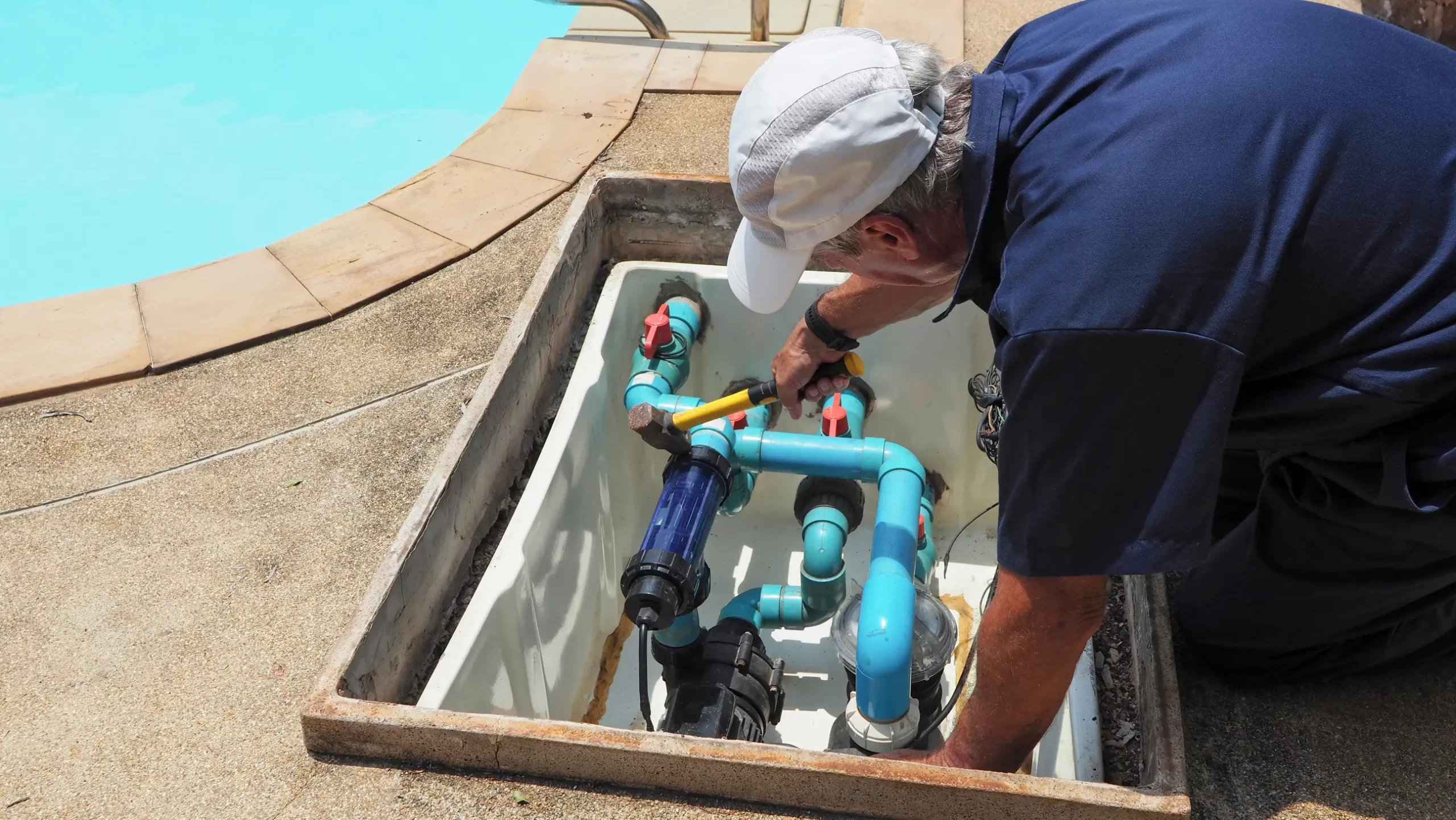
- Single-Speed Pumps
Single-speed pumps are the most basic and traditional type of pool pump. They run at a constant speed (usually at full power) whenever they are turned on.
- How It Works: Single-speed pumps have one fixed motor speed, meaning they operate at the same high RPM (revolutions per minute) regardless of the pool’s needs. This speed is usually set to the maximum, which is needed for tasks like backwashing but may be overkill for regular circulation.
- Energy Use: These pumps consume a lot of energy because they always run at full power, even when lower power would suffice.
- Maintenance: Single-speed pumps are mechanically simple and often the least expensive option upfront.
- Pros: Single-speed pumps are the cheapest to buy and easy to maintain.
- Cons: They are the least energy-efficient option, leading to higher electricity bills. They also tend to be noisier due to their constant high-speed operation.
- Variable-Speed Pumps
Variable-speed pumps are a newer, more energy-efficient option. They allow you to adjust the pump’s speed to match the pool’s needs.
- How It Works: These pumps use a permanent magnet motor (similar to what’s used in electric cars), which allows them to operate at different speeds. You can program the pump to run at lower speeds for tasks like regular water circulation and at higher speeds for tasks like vacuuming or backwashing.
- Energy Use: Variable-speed pumps are significantly more energy-efficient than single-speed pumps. By running the pump at lower speeds for longer periods, you reduce energy consumption without compromising water quality.
- Maintenance: Although more complex than single-speed pumps, variable-speed pumps are generally reliable and require less frequent maintenance because the motor doesn’t run at maximum power all the time.
- Pros: They save up to 70% on energy costs compared to single-speed pumps, are quieter, and allow for precise control over water circulation. Many come with programmable settings.
- Cons: Variable-speed pumps are more expensive upfront but tend to pay for themselves over time, typically 12-18 months, through energy savings.
- Inverter Pumps
Inverter pumps are the latest innovation in pool pump technology. They build on the benefits of variable-speed pumps but offer even more efficient and smoother operation.
- How It Works: Inverter pumps adjust their speed automatically based on the pool’s demands, optimizing energy consumption. Inverter technology allows for even finer control of the motor speed and ensures smooth transitions between different speeds, making it extremely energy-efficient.
- Energy Use: These pumps offer the highest energy savings, using inverter technology to dynamically adjust to the pool’s needs, whether for filtering, heating, or water features. They can reduce energy consumption by up to 80% compared to single-speed pumps.
- Maintenance: Inverter pumps tend to have a longer lifespan due to their efficient operation and smoother performance. Like variable-speed pumps, they require minimal maintenance.
- Pros: Inverter pumps are the most energy-efficient, quietest, and offer the best overall performance. They provide maximum control over energy usage and water flow, making them ideal for environmentally conscious pool owners.
- Cons: They have the highest upfront cost.
Which Pool Pump Is Right for You?
- Single-Speed Pump: If you’re on a tight budget and don’t mind higher energy costs, a single-speed pump may be sufficient for smaller pools or infrequent use. However, keep in mind that they are less energy-efficient and noisier.
- Variable-Speed Pump: If you want to save on energy costs and are willing to invest a little more upfront, a variable-speed pump offers the perfect balance of performance, efficiency, and control. This is a great choice for most residential pools.
- Inverter Pump: If energy efficiency is a top priority and you’re looking for the quietest and most advanced pump technology, an inverter pump is the best option. Though more expensive initially, the long-term savings and superior performance make it a worthwhile investment, especially for large or frequently used pools.
Conclusion
The choice between single-speed, variable-speed, and inverter pumps depends on your budget, energy efficiency goals, and pool usage. While single-speed pumps are inexpensive upfront, variable-speed and inverter pumps offer significant long-term savings on energy costs, quieter operation, and better control over your pool’s circulation. Investing in a more energy-efficient pump will not only reduce your electricity bills but also extend the life of your pool’s filtration system.